 Released On 10th Aug 2017
Two-way radios in healthcare organisations
Updated October 2025
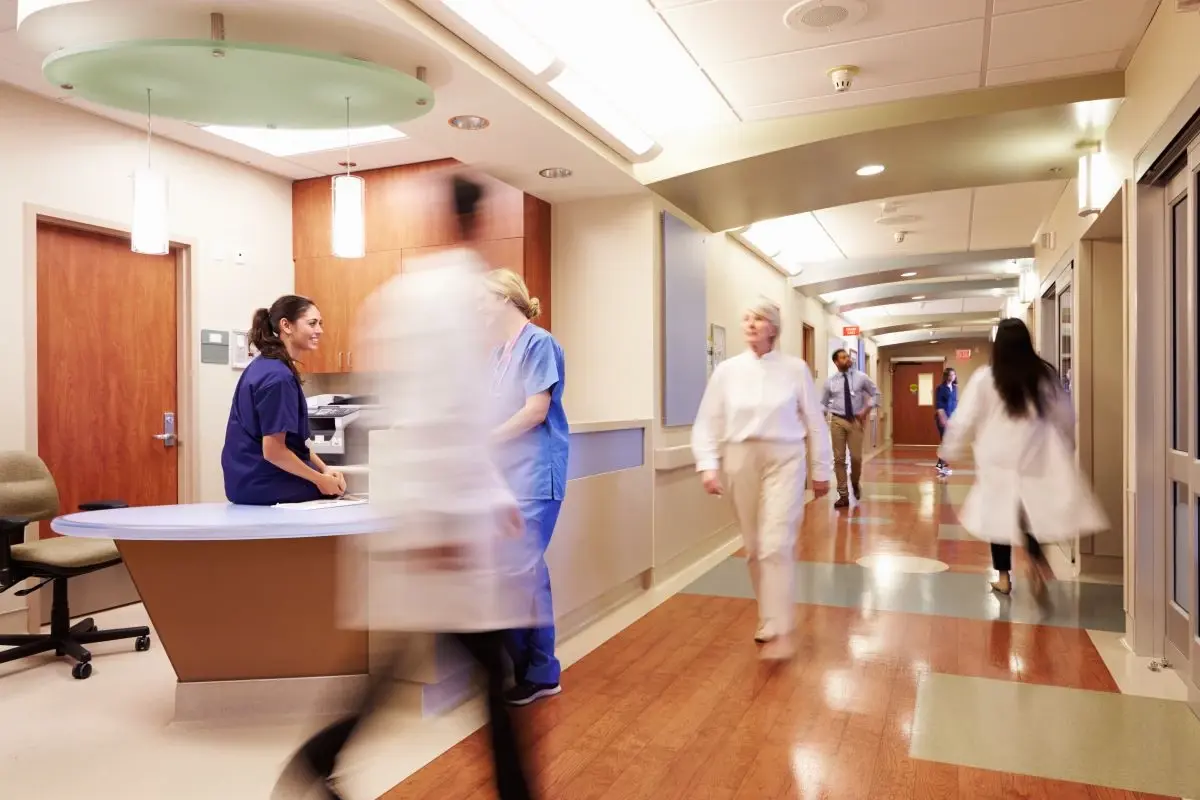
Effective communication in hospitals supports patient care, staff safety and site security.
A suitable two-way radio system connects medical, support and facilities teams. It’s a crucial tool for day-to-day communication.
Radios provide instant communication in voice or data to individuals, departments or groups, offering a practical and reliable solution in almost any healthcare environment. This can include GP surgeries and health centres, hospitals, care homes and mobile health professionals.
What benefits do two-way radios bring to healthcare facilities?
- Reliable coverage: Two-way radios are an extremely reliable method of communication; when smartphones and Wi-Fi enabled devices may be disabled by dead zones, patchy mobile phone coverage, network overloads and breaks in service, radios continue to provide reliable coverage across your site.
- Effective deployment: Radio systems allow management and key staff to coordinate and coordinate teams and speed up response across multiple teams, potentially in multiple buildings, across a wide site.
- Safety features: Many radios include integrated safety features which help to safeguard staff in certain situations: Lone worker, emergency button, Man Down and GPS location tracking are just a few of the ways radios can enhance the safety of remote or lone workers, especially in large hospital sites.
- Instant communication: Delays with dial-time and ring-time on traditional devices, even smartphones, can significantly undermine urgent communications. Two-way radios instantly relay critical information and updates at the push of a button to an individual or a group channel. This helps teams respond faster to emergencies or hospital needs.
- Cost-effective: There are few ongoing costs with a correctly set up radio system, whether you’re using licence-free walkie-talkies in a smaller, single-site healthcare setting or a wide area network covering a large hospital site.
- Resilient in a tough environment: Healthcare settings are demanding environments, but most professional two-way radios have the ruggedness to withstand drops, spills and sometimes even total immersion in water. Costs for repairs and maintenance are minimal.
Radios for smaller sites: care homes, surgeries and medical centres
Care homes, GP surgeries and medical centres are often single-site organisations, but effective communication is critical even in these smaller settings. Clinicians, pharmacists, management, reception and cleaning teams may all benefit from a reliable walkie-talkie network.
Sectors in healthcare successfully using radio systems:
- Health centres and care homes
- Hospitals
- Lone workers – mobile health professional and care assistants
- Major incidents
- Security teams and fire safety
- Estate management and maintenance teams
- Porter services
- Domestic and linen services
- Catering / visitor restaurants
- Pharmacy
- Car parks
 Deciding what kind of system you need
Smaller hospitals and healthcare centres might benefit from a simple back-to-back radio system. This is the simplest type, consisting solely of hand-held or vehicle-mounted radios which talk directly to each other without any kind of base-station or repeater.
- Back-to-back radios are reliable and simple to use.
- They are also a low-cost option for smaller sites.
- However, their range is limited and channels can get busy if too many staff are talking at once.
Single-site hospitals normally require some infrastructure. They generally have several departments using different types of handsets and call groups. To ensure adequate coverage, single-site hospitals may need repeaters to boost the range.
Large, multi-site hospitals sometimes need to link transmitters together in order to achieve wide-area coverage, or overcome physical barriers such as high-rise buildings. Large, multi-site hospitals may need linked transmitters. Motorola’s IP Site Connect extends coverage across sites via the internet.
Large sites may also require varying handset types to suit the different needs of the people using them.
How we implement your radio system
- Site survey – Our engineers visit your hospital or healthcare centre to assess the building layout, existing infrastructure and any potential signal challenges.
- Tailored proposal – Based on the survey, we recommend the best-fit radios, repeaters and accessories to meet your team’s needs and budget.
- Installation and training – We set up the system, program radios for ease of use, and train your staff so they’re confident from day one.
- Ongoing support – After installation, we provide maintenance, technical assistance and upgrades as your organisation grows or your requirements change.
If your hospital already has a radio system…
When did your radios last have a health-check where the general condition of your radios were evaluated? Is it time to look again at your hospital or healthcare centre’s radio system?
We provide a service that ensures your radio system is performing to its maximum capability. We inspect the general health of the radios and we also assess the age and capacity of the batteries.
Technical advances in recent years could also help you to dramatically improve efficiency and safety.
Some simple measures could give you a meaningful upgrade at a very competitive price.
Why choose RadioTrader?
- Extensive healthcare experience – We’ve supplied radios to NHS Trusts, private hospitals and care centres for many years, so we understand the demands of clinical and support teams.
- Authorised suppliers of leading brands – As accredited dealers for Motorola, Hytera, Kenwood and Icom, we offer the latest models with full manufacturer warranties.
- Independent advice, not just sales – Our team works with you to assess site layout, user numbers and daily operations before recommending the right system, rather than pushing one brand.
- End-to-end support – From the initial site survey, through installation and programming, to staff training and ongoing technical support, we cover the entire process.
- Flexible purchase and hire options – Whether you need a permanent system or temporary radios for seasonal pressures, we provide cost-effective radio hire packages alongside outright purchase.
- Long-term partnership approach – We aim to build lasting relationships with healthcare providers, ensuring your communications evolve as your site and requirements change.
Recommended two-way radios for healthcare
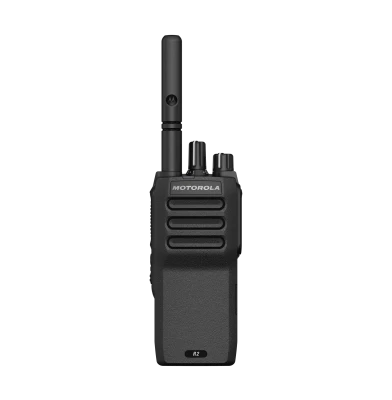 Motorola R2
- A lightweight, ergonomic design
- Robust, water-resistant build that’s perfect for busy, challenging working conditions.
- High-capacity battery copes impressively with long shifts
- Exceptional connectivity and audio quality enhance each and every communication.
View full details of the Motorola R2 digital radio.
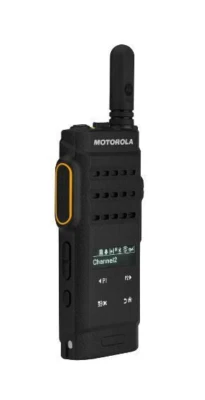 Motorola SL2600
- Connects discreetly to Bluetooth devices for hands-free communication
- Ideal for allowing users to move freely and communicate easily.
- Smart, stylish radio
- A virtual keypad display gives easy access to key functions and important information.
View full details of the Motorola SL2600.
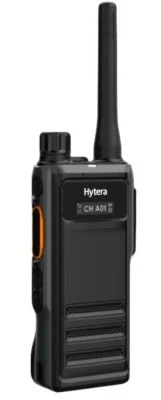 Hytera HP605
- An impressive battery life that can exceed 20 hours
- Equally remarkable AI-based noise-cancelling technology to decrease unwanted background noise during calls
- Ideal for busy, noisy shifts in all kinds of healthcare organisations.
- Improved receiver extends your communication range and provides better connectivity in areas where obstacles would normally detract from coverage.
This radio featured well in our Champions Review when compared to other top radios.
View full details of the Hytera HP605.
Next steps
With many years' experience providing two-way radio systems for hospital and other healthcare environments, RadioTrader can help you implement a completely integrated solution from start to finish, and recommend the best walkie-talkies for your hospital or other healthcare workplace.
Talk to RadioTrader’s knowledgeable team for free and impartial advice.
Call 0151 676 2888 or email [email protected]
Contact Form
 View EU Site


